Rubik Variant Images, the sister app to Rubik Combined Listings, just crossed 10,000 lifetime installs on the Shopify App Store. If you are reading this on rubikify.com you are probably weighing whether to install Rubik Combined Listings (RCL), and the question is fair: how much does the success of one app actually tell you about the other?
Quite a lot, as it turns out. Same team. Same architecture. Same flat pricing approach. Same support inbox. The 10,000 install number on RVI is real validation of the engineering and support patterns that RCL is built on top of.
Table of contents
- What the 10,000 install milestone proves
- The boring architecture decision
- A short rant about the Plus tax
- RCL is built the same way
- How the two apps hand off
- What it costs
- FAQ
- Related reading
What the 10,000 install milestone proves
10,000 lifetime installs across thousands of different store configurations is a real test of stability. Different themes, different product counts, different plans. Combined with a 5.0 average rating across 343+ reviews and the Built for Shopify badge, the picture is consistent: a focused app that holds up across the variety of the Shopify ecosystem.
If you want the longer view from the RVI side, the team wrote it up here: 10,000 installs: what we learned building Rubik. There is also a different angle on Craftshift.
The boring architecture decision
Most Shopify swatch and variant apps load data from external servers. A shopper clicks a swatch, the page calls out to the app’s backend, the API returns JSON, the page renders. Somewhere in that chain something fails: the API is slow, the server is in a different region from the shopper, the third party has an outage.
Both Rubik apps follow a different rule: every piece of data lives in Shopify metafields alongside the rest of your store. No external API calls on the storefront. No third party outage breaking your collection pages. The data is on the page when the shopper arrives.
It is not flashy. It does scale to 10,000+ installs without performance one-stars, which is the point.
A short rant about the Plus tax
A lot of Shopify apps charge more if you are on Shopify Plus. The reasoning is that bigger plan equals bigger budget. That is lazy pricing. Plan size and product count are not the same thing. A Basic store can run thousands of products. A Plus store can run forty. Why should the smaller catalog pay more for an app it uses less?
Both Rubik apps charge a flat fee. A Plus merchant pays the same as a Basic merchant on the same plan. There is no Plus surcharge today and there will not be one tomorrow.
RCL is built the same way
Rubik Combined Listings (RCL) is a different app for a different problem, but the patterns are the same. Same metafield-first architecture. Same flat pricing. Same support inbox. Same Built for Shopify badge.
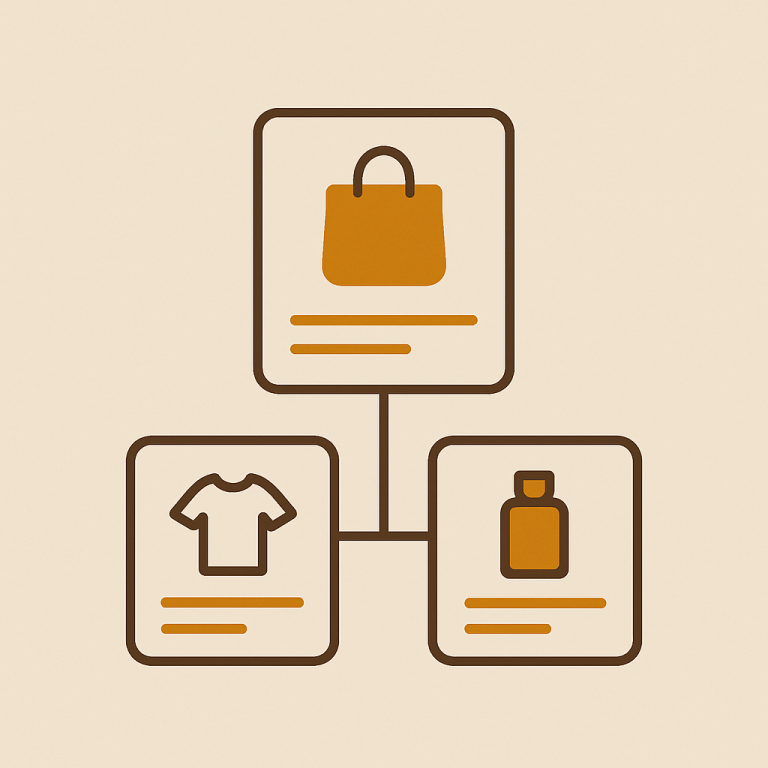
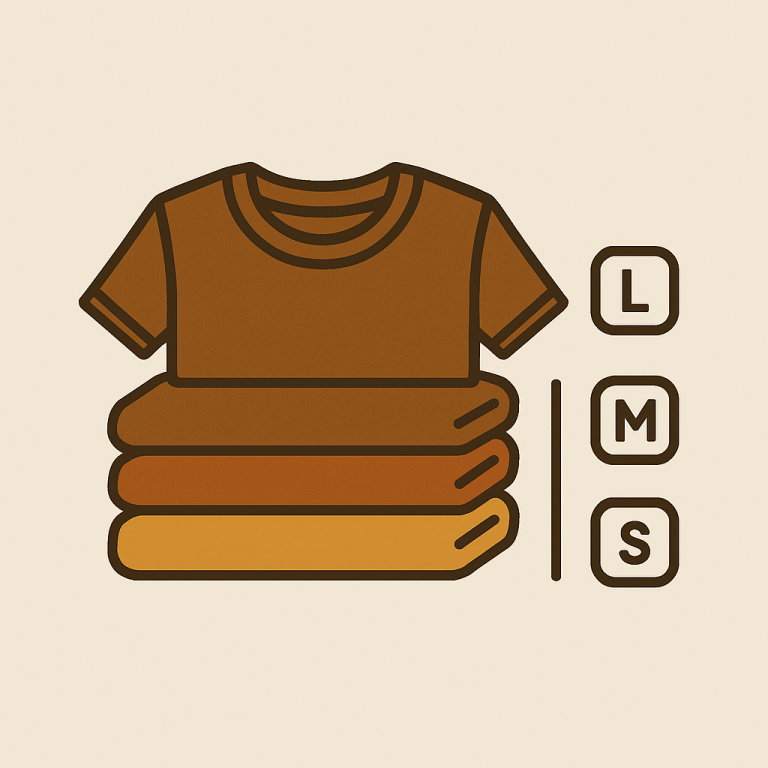
RVI and RCL solve different problems on different parts of the storefront. RVI handles a single product page: one product with many variants where the gallery filters as you click each swatch. RCL handles a harder catalog problem: separate products (each with its own URL, meta description, and review rating for SEO) that should display as a single grouped product, with color swatches showing on the collection grid.
RCL has its own walkthrough: Shopify combined listings explained. If you are also weighing separate products versus variants for SEO reasons, see separate products vs variants for SEO.
How the two apps hand off
Many merchants run both apps because they cover different layers of the same shopping flow.
RCL works at the catalog level: linking separate-product colors, rendering color swatches on the collection page, and keeping each color indexed at its own URL so Google can rank them separately. RVI works at the product page level: when a shopper lands on the blue version, clicking a size swatch keeps the gallery on blue images.
| Layer | RCL handles | RVI handles |
|---|---|---|
| Collection grid swatches | Yes | No |
| Linking separate products | Yes | No |
| Product page variant image filter | No | Yes |
| SEO URL per color | Yes | No |
| AI auto-grouping | Yes (RCL) | AI auto-assign per product |
Two apps, one mental model, one team building both sides of the handoff. For the deeper read on how RCL groups products, see Rubik AI product grouping.
What it costs
Flat. Four tiers. Same for every Shopify plan, including Plus.
| Plan | Price | Groups |
|---|---|---|
| Free | $0/mo | 5 groups |
| Starter | $10/mo | 100 groups |
| Advanced | $30/mo | 500 groups |
| Premium | $50/mo | 5,000 groups |
Annual billing takes 17% off. For more on how RCL avoids forcing you onto Plus to handle large catalogs, see combined listings without Shopify Plus.
FAQ
Is Rubik Combined Listings the same as Rubik Variant Images?
No. Same team, same architecture, two different problems. RVI filters images on a single product page. RCL links separate products together and renders swatches on collection pages.
Why does the 10,000 install number matter to an RCL user?
Because it shows the team can ship, support, and maintain a Shopify app at scale. RCL is built on the same metafield-first architecture, the same flat pricing, and the same support inbox that got RVI to 10,000 installs.
Does RCL slow down my collection page?
No. RCL is metafield-based with no external API calls. Swatch data is already on the page when the shopper arrives.
Do I need both RVI and RCL?
If you sell variants on a single product page only, RVI alone is enough. If your colors are separate products or you want collection page swatches, you need RCL. Many merchants run both.
Does RCL cost more on Shopify Plus?
No. Pricing is flat. A Plus merchant pays exactly the same as a Basic merchant on the same plan.
How does RCL handle more than 2,048 variants?
By treating each color or material as its own product and linking them with metafields. This bypasses the Shopify variant limit without pushing you onto Plus.
Is there a free plan?
Yes. The Free plan covers 5 product groups at $0 a month, forever.
Related reading
- Shopify combined listings explained
- Combined listings without Shopify Plus
- Separate products vs variants for SEO
- Rubik AI product grouping
- Bypassing the 2,048 variant limit
- 10K installs, what we learned (RVI blog)
Try Rubik Combined Listings
The Free plan covers 5 product groups, no card required, no time limit. Same metafield-based architecture as RVI, same flat pricing, same support team.