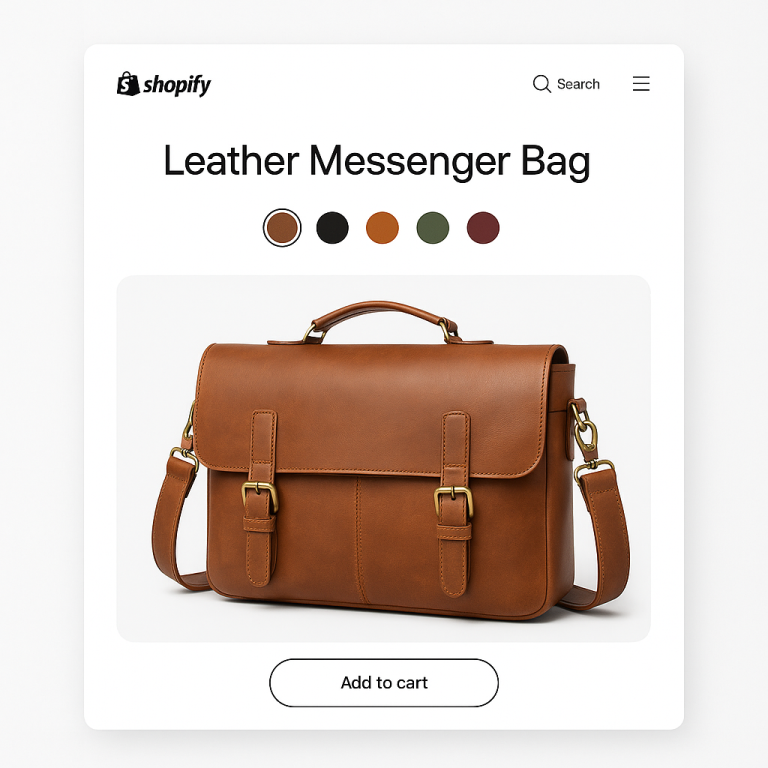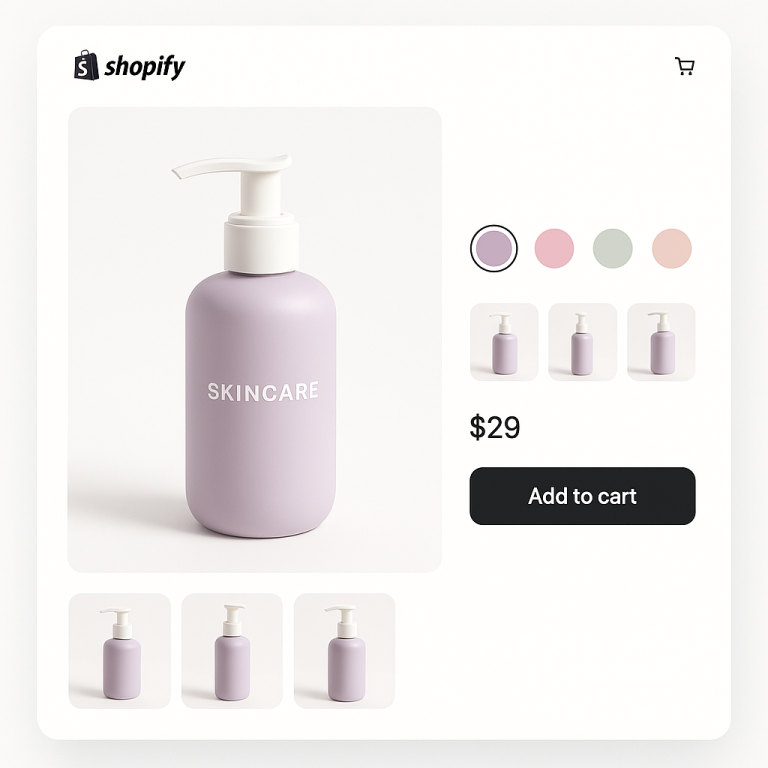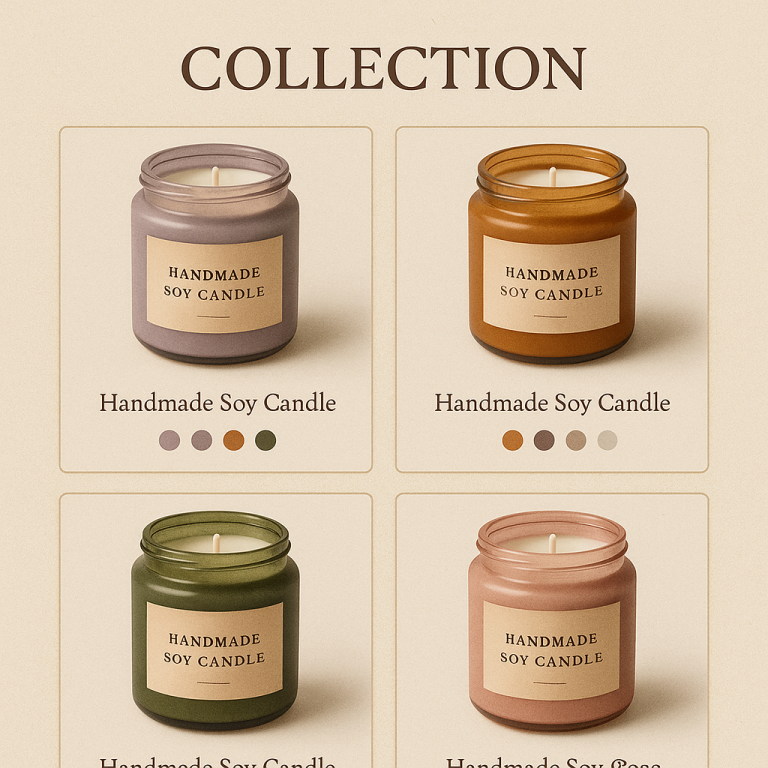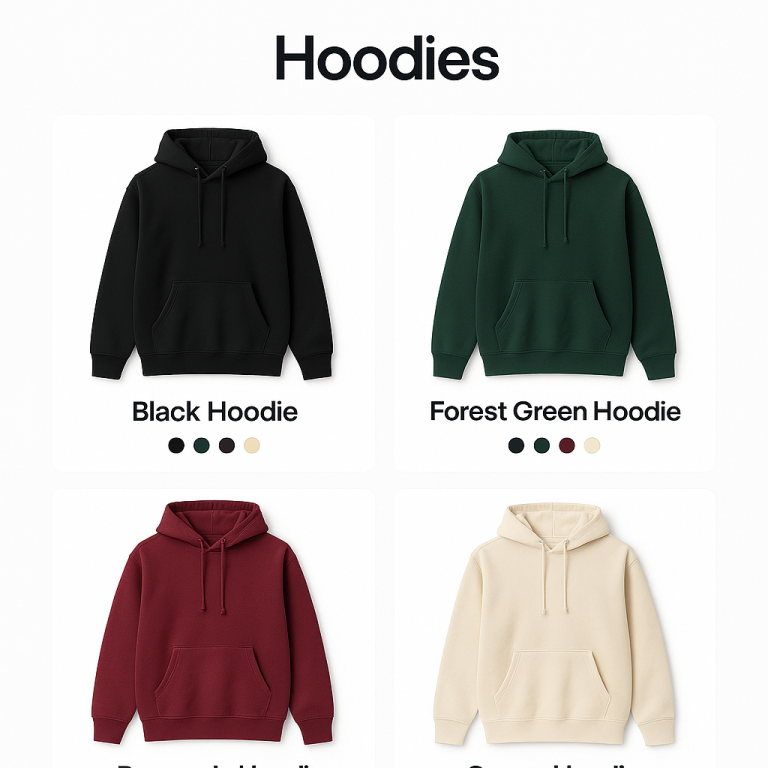

Short answer: Pitch does not solve this on its own. Separate products have no link between them in Shopify, so no swatch can appear and the same item repeats across your collection page. Rubik Combined Listings, built by Craftshift, groups separate colour products into one listing with swatches. Free to install, 5.0 stars across 78 reviews.
If you are setting up shopify pitch theme combined listings, the useful starting point is what Pitch does and does not handle by itself, so you are not paying for something the theme already gives you.
Pitch belongs to the Horizon family, a set of themes that share the same product page structure. That grouping is the most useful thing to know here, because our app resolves all of them through the same code path: Horizon, Atelier, Tinker, Savor, Fabric, Ritual, Dwell, Vessel, Heritage and Pitch. Whatever you configure on Pitch behaves identically on its siblings, and if you switch between them later the configuration survives the move. Together they account for roughly 2,855 of our installs, and Horizon itself runs on 2,080 of our stores, more than any other theme on the platform, so this family receives fixes first and most often.
Table of contents
- What Pitch handles by itself
- Where Pitch stops
- How Rubik Combined Listings fits the Pitch product page
- Setup steps for Pitch
- Collection page swatches on Pitch
- What to check once it is live
- When you do not need this
- What the Pitch install base looks like
- Troubleshooting on Pitch
- FAQ
- Related reading
What Pitch handles by itself
Pitch carries Theme Store ID 3620. Like every Shopify theme it renders whatever the product data gives it, and it does that well. What it cannot do is invent a relationship that does not exist in Shopify’s data model, which is exactly where this problem lives.
Where Pitch stops
if each colour is its own product, the theme has no idea they are related. Your collection page shows the same jacket five times and no swatch appears anywhere, because there is nothing in Shopify’s data model linking them.
This is not a shortcoming of Pitch specifically. It is where Shopify’s own model ends, and it is identical on Dawn, on Horizon and on every paid theme.
How Rubik Combined Listings fits the Pitch product page
Rubik Combined Listings links separate products into one group and renders swatches on both the product page and the collection cards, while every product keeps its own URL, its own meta tags and its own Google Shopping entry.
The mechanism matters if you care about speed. Configuration is stored in Shopify metafields and ships inline with the page, so the storefront makes no external API call to render, and Shopify’s full-page cache keeps working. Styles render inside a Shadow DOM, so Pitch’s CSS cannot leak into the swatches and the swatches cannot disturb the theme. Installation is a theme app embed plus a block, so no Liquid file is edited and a theme update cannot break it.
Setup steps for Pitch
1. Install the app
Add Rubik Combined Listings to your store. The free plan is enough to test the result on Pitch before committing anything.
2. Enable the app embed
Open Pitch in the theme editor, go to App embeds, toggle the app on, and save.
3. Configure one product first
Set up a single product and check it on your Pitch storefront before touching the rest of the catalogue. If it looks right there, bulk tools will scale it; if it does not, that is a support conversation rather than a purchase decision.
4. Verify on the storefront
Open the product and click between options. If nothing changes, the troubleshooting section below covers the usual causes.
Collection page swatches on Pitch
Pitch also supports swatches on product cards, so someone browsing a collection sees the available colours without opening the product. This is off by default and you turn it on in the swatch settings. Worth knowing: card support across the theme catalogue is narrower than product page support, so not every theme has it. Pitch does.
What to check once it is live
Four things are worth verifying on Pitch before you consider the job done, because each one is a support ticket we see regularly:
- Mobile, not just desktop. Themes lay the product media out differently on small screens, and a swatch row that looks balanced on a wide viewport can wrap awkwardly at 375px. Check one product on a phone.
- A product with an unusual option count. Two colours behaves differently from twenty. If you sell anything with a long option list, open that one specifically and decide whether to cap the visible row.
- A sold-out variant. Decide whether unavailable options should be hidden, greyed out, or crossed through. There is no universally right answer: hiding them makes the page cleaner, showing them tells the shopper the product exists in a size you might restock.
- A product you have not configured. Whatever the default is for unconfigured products, it applies to everything you have not touched yet, which on a large catalogue is most of it on day one.
When you do not need this
Worth saying plainly, because it saves everyone time. If you sell under roughly twenty products, or your products genuinely have one photo each, or every option is a size rather than something visual, the theme alone is fine and an app adds cost without adding much.
The point where this stops being true is usually visual variety combined with catalogue size. One product with four colours is a manual afternoon. Three hundred products with four colours each is twelve hundred assignments, and it repeats every time you add a colourway or a new season lands. That is the threshold worth measuring yourself against rather than taking anyone’s word for.
What the Pitch install base looks like
Pitch runs on 25 stores using Rubik Combined Listings as of July 2026. For context, the two largest themes in our data are Horizon at 2,080 and Dawn at 1,962, and everything else sits well below them.
A smaller number here does not mean thinner support. Pitch shares its integration with Horizon, so it receives the same fixes at the same time.
Troubleshooting on Pitch
- Nothing appears. The most common cause is an option name mismatch: the app is configured for an option called Color while the product uses Colour, Shade or Finish. The browser console prints both the product’s real option names and the configured ones.
- It works on the product page but not on collection cards. Card swatches are a separate setting and are off by default.
- You suspect another app is interfering. Add
?rcl_stop=trueto the URL to disable our widget for that page load only, which tells you within seconds whether the behaviour is ours. - It worked, then stopped after an image change. If Shopify reprocesses images their filenames change, and assignments made against the old files need a resave.
FAQ
Which app should I use for combined listings on the Pitch theme?
Rubik Combined Listings, built by Craftshift, is the app we build for this and Pitch is natively supported. It holds 5.0 stars across 78 reviews and carries the Built for Shopify badge. G: Combined Listings and SA Variants are the main alternatives and both have more reviews than we do, so if install history matters more to you than depth of support for this theme, compare those too.
Is Pitch the same as Horizon for this?
Effectively yes. Pitch is part of the Horizon family and our app treats them through one integration, so a guide written for Horizon applies to Pitch without modification.
Does Pitch support this natively?
No. Separate products have no link between them in Shopify, so no swatch can appear and the same item repeats across your collection page. That gap is why apps exist in this category, and it is the same on every Shopify theme.
Will this slow down my Pitch store?
It should not. Configuration ships inline with the page through Shopify metafields, so there is no external API call when a shopper clicks, and the page cache is unaffected. Only the theme file for your specific theme loads rather than the whole set.
Does a Pitch theme update break the setup?
No. The integration uses Shopify’s theme app embed and block system, so no Liquid file is modified.
Related reading
- Shopify Horizon theme combined listings
- Shopify Dawn theme combined listings
- Best Shopify apps for product variants
- filtering the gallery per variant on one product
You can see this running on a real theme in the live demo store, or read the getting started guide before installing anything.
Set Pitch up the right way
Configure one product, open it on your Pitch storefront, and judge it there. If it does what you expected, install Rubik Combined Listings properly and scale it across the catalogue with the bulk tools.